The short version: Toronto Fire Services reported in July 2026 that lithium-ion battery fire calls are on pace for roughly 100 this year — about a 250% increase since 2022 — and the fire chief has named e-bike and e-scooter batteries the city’s fastest-growing fire safety risk. Most of the prevention is about where and how you charge, not what you buy.
We get called to the aftermath of electrical fires often enough to have opinions about which risks are overstated and which aren’t. This one isn’t overstated. The rise in lithium-ion battery fires is real, it’s steep, and unlike most electrical hazards in a home it has almost nothing to do with the wiring in your walls.
What’s actually happening
Lithium-ion cells store a great deal of energy in a small space. When a cell fails — through physical damage, a manufacturing defect, overcharging, or extreme heat — it can enter thermal runaway: a self-sustaining reaction where the cell heats itself, ruptures, and ignites, often spreading to neighbouring cells in the same pack. The result is not a normal fire. It develops in seconds rather than minutes, burns extremely hot, produces toxic gas, and can reignite after it appears to be out.
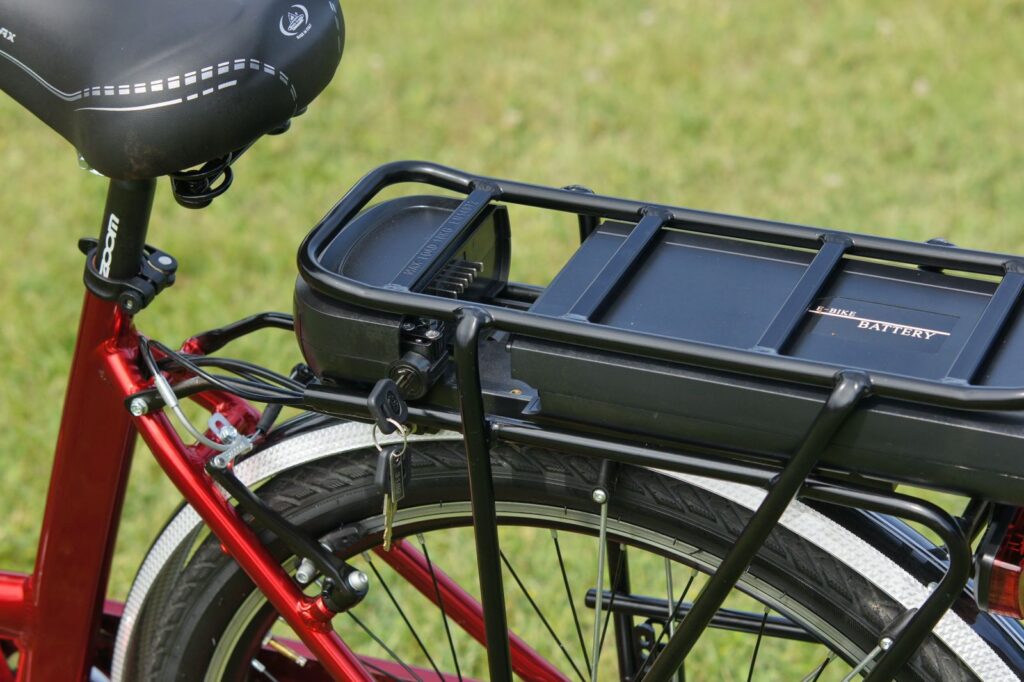
Toronto’s numbers reflect the sheer growth in devices. E-bikes and e-scooters carry far larger packs than a phone or a laptop, and they’re frequently charged indoors, overnight, in hallways and apartments. Different outlets have reported slightly different fire counts for 2025 depending on how incidents are categorized, but the trend Toronto Fire describes — on pace for about 100 calls in 2026, up roughly 250% since 2022 — is consistent and alarming.
Where you charge matters more than anything else
If you take one thing from this article, take this: never charge a large battery where it would block your way out. The most dangerous common setup is an e-bike charging in a hallway, near the apartment door, or in a bedroom. If that pack fails, it fails between you and the exit.
Better options, roughly in order:
- A garage or utility space, on a concrete floor, away from stored fuel, paint, paper and cardboard.
- Near an exterior door, so a failing battery can be moved outside if it’s safe to do so — and so smoke has somewhere to go.
- A non-combustible surface in any case. Not a couch, not a bed, not a carpeted floor in a room full of soft furnishings.
And charge while you’re awake and home. A battery that fails at 3 a.m. while everyone’s asleep is the scenario the fire service worries about most.

The outlet and circuit side — the part we deal with
A single e-bike charger doesn’t draw much power. The problems we see are rarely about capacity and almost always about the connection:
- No extension cords, no power bars. Charge directly from a wall receptacle. Extension cords are for temporary use, and the cheap ones are frequently undersized for a sustained load. A warm cord is a warning, not an inconvenience.
- Check the receptacle itself. A loose or worn outlet — the kind where the plug won’t stay in firmly — produces heat at the connection under a sustained charging load. In Toronto’s older housing this is extremely common, and it’s a five-minute fix.
- Don’t share a loaded circuit. Charging on the same circuit as a space heater or a dryer isn’t a great idea. If the breaker trips, don’t just reset it repeatedly — find out why.
- Consider a dedicated circuit if you’re charging several packs. Anyone charging multiple e-bike batteries, or running a workshop full of tool batteries, is better served by a properly sized dedicated circuit than by a daisy chain of adapters.
If you live in one of Toronto’s older homes and you’re charging a large battery regularly, having the receptacle checked is genuinely worth doing. Old two-prong outlets, worn contacts and back-stabbed connections all get hotter under sustained load than they do under the intermittent loads they were used to.
Buy the right equipment, and use the right charger
Use the charger that came with the device, or a manufacturer-approved replacement. Mismatched chargers are a recurring cause of failures, because they may not communicate correctly with the battery’s management system. Look for equipment certified by a recognized body — in Canada that means a certification mark from an accredited agency — and be sceptical of very cheap replacement packs from online marketplaces, which are a documented source of failures.
Unplug when charging is complete. Modern packs manage this reasonably well, but leaving a battery on charge for days at a time is unnecessary risk for no benefit.
Warning signs, and what to do
Stop using a battery immediately if you notice swelling or bulging, unusual heat, hissing or popping, a chemical or sweet smell, discolouration, or any leaking. A pack that has been dropped hard, run over, or soaked should be treated as suspect even if it looks intact — internal damage isn’t visible.
If a battery is actively venting, smoking or burning: get everyone out and call 911. Don’t try to carry it — thermal runaway is fast and these fires are hot enough to cause serious burns. Water works on the surrounding fire but won’t stop the reaction inside the cells, which is why these fires can reignite.
For disposal, damaged or swollen batteries need to go to a household hazardous waste drop-off, not into any curbside bin. Battery fires in collection trucks and sorting facilities are a genuine and growing problem.
If you’re in a condo or apartment building
Buildings increasingly have rules about where e-bikes can be stored and charged, and those rules exist for good reason — a battery fire in a stacked residential building endangers everyone. If your building is working out a policy, the practical answer is usually a designated charging area with proper receptacles on appropriate circuits, away from exits and combustibles, rather than an outright ban that pushes charging into units where nobody can see it.
That’s the kind of thing we install: a properly designed charging area, correctly circuited, inspected and documented. It’s a small job that removes a real risk.
The bottom line
Lithium-ion batteries are not something to be afraid of — they’re in nearly every home in the city. But the large ones deserve more respect than most people give them. Charge on a hard surface, away from your exit, on a good receptacle, while you’re awake. Replace damaged packs instead of nursing them along. And if the outlet you’ve been charging from feels warm, get it looked at.
If you want an outlet checked or a proper charging circuit installed — at home or in a building — get in touch. It’s a small job, and it’s a lot cheaper than the alternative.
Frequently asked questions
How common are lithium-ion battery fires in Toronto?
Toronto Fire Services reported in July 2026 that lithium-ion battery fire calls were on pace to reach roughly 100 by year’s end, which the fire chief described as a 250% increase since 2022. The chief has called e-bike and e-scooter batteries the fastest-growing fire safety risk in the city.
Where is the safest place to charge an e-bike battery?
Somewhere with a solid, non-combustible surface, clear of exits, and not in a bedroom or hallway you’d need to escape through. A garage, a utility area, or a spot near an exterior door is better than a living room. Never charge where the battery blocks your only way out, and keep it away from anything flammable.
Does an e-bike charger need a dedicated circuit?
Most single e-bike chargers draw modest power and don’t require a dedicated circuit, but the outlet matters. Use a proper wall receptacle in good condition, never an extension cord or power bar, and avoid sharing a circuit that’s already loaded. If you’re charging several batteries, or running a shop with tool batteries, a dedicated circuit is worth installing.
What are the warning signs a battery is about to fail?
Swelling or bulging, heat that’s more than mildly warm, a hissing or popping sound, an unusual chemical or sweet smell, discolouration, or leaking. Any of these means stop using it, get it away from anything combustible if you can do so safely, and don’t put it back on charge. A battery that has been dropped hard or soaked should be treated as suspect even if it looks fine.
Can I put a damaged lithium battery in the garbage or recycling?
No. Damaged or swollen lithium-ion batteries are a fire risk in garbage trucks and sorting facilities, and Toronto has specific drop-off requirements for household hazardous waste. Take them to a designated drop-off depot rather than any curbside bin.