The short version: On June 2, 2026, Ontario’s Bill 98 became law and stripped Toronto of the power to enforce its Green Standard — the rule that required 100% of residential parking in new condo developments to be EV-ready. New buildings are no longer required to be built for EV charging, which makes retrofit charger installation the way most Toronto condo owners will get plugged in.
What just changed
For the past few years, Toronto quietly had one of the strongest EV-readiness rules in North America. Under Toronto Green Standard v4, in force since May 2022, new residential developments had to make every residential parking space EV-ready — wired with an energized outlet capable of Level 2 charging, or at minimum the infrastructure to get there cheaply.
That era is over. Bill 98 — the Building Homes and Improving Transportation Infrastructure Act — received Royal Assent on June 2, 2026. Among other changes, it bars Ontario municipalities from imposing green building standards beyond the provincial Building Code and removes sustainable-design requirements from site plan control. The Toronto Green Standard’s mandatory tiers, including the EV-ready parking rule, are effectively unenforceable.
It compounds an earlier decision: when the province finalized the 2024 Ontario Building Code (in force January 1, 2025), it dropped the proposed EV-ready rough-in requirement for new homes. A private member’s bill to bring it back — the EV-Ready Homes Act — has been stalled at second reading since 2024. Net result: neither new Toronto condos nor new Ontario houses are required to be built EV-ready.
Why this matters if you drive (or plan to drive) an EV
EV adoption in Ontario isn’t slowing down — the federal government relaunched its purchase rebate in February 2026 at $5,000 per battery-electric vehicle. More EVs, fewer buildings pre-wired for them. Something has to give, and that something is retrofit charging.
The demand is already visible. Toronto Hydro connected more than 4,000 EV charging stations at homes and buildings in 2025, fielded over 100 requests for 400-amp-plus service upgrades from multiplex conversions in a single year, and launched a fast-track connection pilot in April 2026 because electrification requests are outpacing the grid’s paperwork. Residential electrification is moving faster than the infrastructure — and faster than the rulebook, which now points in the opposite direction.
If you’re buying a new condo: stop assuming, start asking
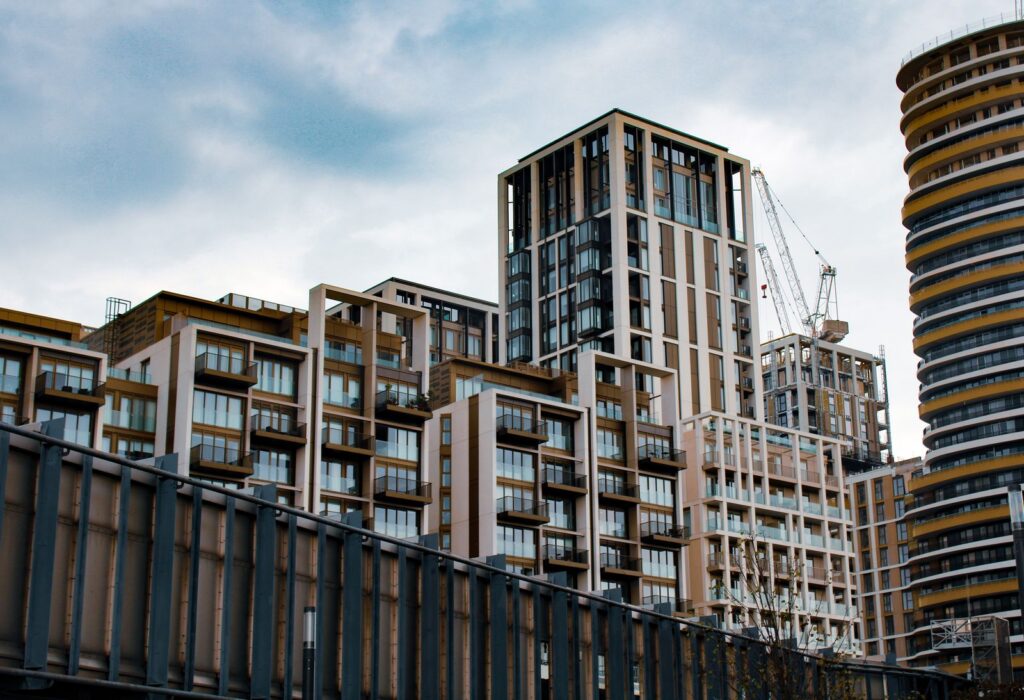
Until this year, a buyer could reasonably assume a new Toronto building had EV-ready parking baked in. That assumption is no longer safe. Projects approved going forward can skip EV provisions entirely — and some will, because copper, panels, and labour aren’t cheap.
Three questions worth asking before you buy:
- Is my parking space energized for Level 2 charging, roughed-in only, or bare? “EV-ready” can mean any of the three — ask for the electrical drawings.
- What is the building’s spare electrical capacity? A building with headroom can add chargers affordably later; one without needs load management or a service upgrade.
- Does the building already have an EV policy or a Section 98 process? A board that has done one installation has a template for yours.
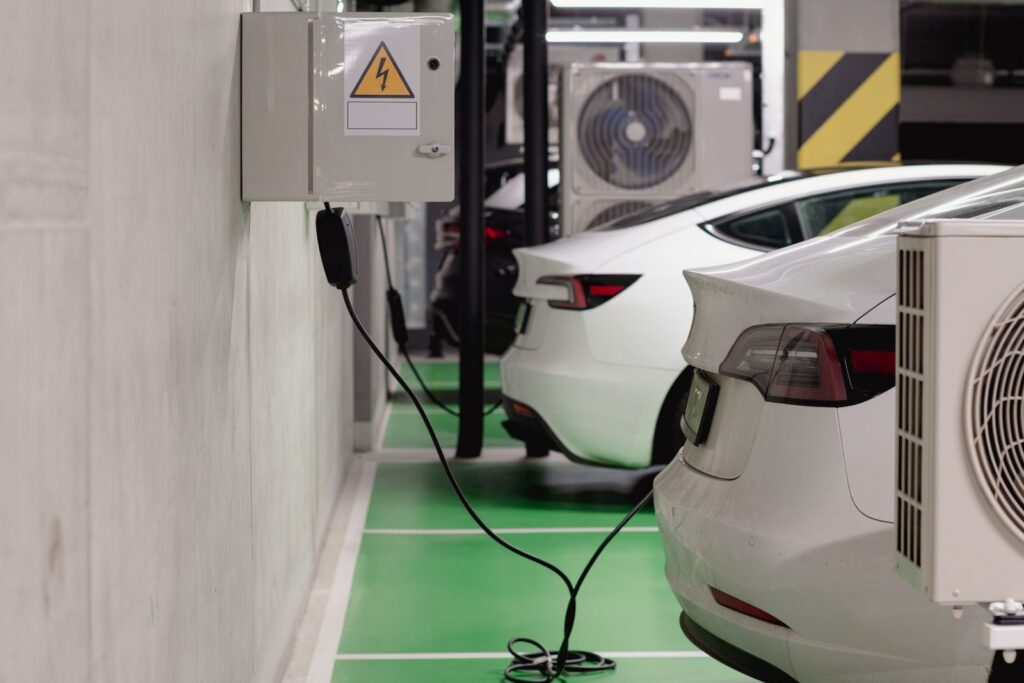
If you’re on a condo board: the requests are coming either way
Bill 98 didn’t reduce the number of EV drivers in your building — it just moved the cost and planning onto you. Boards that get ahead of it with a building-wide assessment come out far better than boards that handle each owner’s request as a one-off fight.
The playbook that works: a load study of the building’s actual spare capacity, an EV Energy Management System (EVEMS) that shares capacity between chargers instead of forcing a service upgrade — an approach Ontario’s 2024 Electrical Safety Code now formally recognizes — and a standard Section 98 agreement so every subsequent owner installation follows the same rules. Ontario’s commercial electrical rules around metering also allow kWh-based billing for chargers under Measurement Canada’s current dispensations, so the building can recover electricity costs fairly.
If you’re in a house: you were never covered anyway
The Green Standard applied to new developments — detached and semi-detached homeowners were always on their own for charger wiring. The practical questions are the same ones we run through on every EV charger installation: does your panel have the capacity (a load calculation answers it — not the number printed on the main breaker), is a panel or service upgrade actually needed or can load management avoid it, and where should the charger physically go. Every install is filed with the ESA and inspected.
The bottom line
Ontario just decided that EV-readiness is the market’s problem, not the building code’s. For condo buyers, that means due diligence. For boards, it means the retrofit conversation is coming to your AGM whether you schedule it or not. And for anyone with an EV in the driveway today, nothing changed — except that the electricians who do this work just got busier.
If you want a straight answer about your building or your home — capacity, options, and a real number — talk to us. We do this every week across Toronto, North York, East York, Vaughan, and the rest of the GTA.
Frequently asked questions
My condo was built after 2022 — is my parking spot EV-ready?
Maybe. Buildings permitted under Toronto Green Standard v4 (May 2022 onward) were required to make residential parking EV-ready — but “EV-ready” ranged from an energized outlet to conduit-only rough-ins, and enforcement is now gone. Ask your board or builder for the electrical drawings, or have an electrician confirm what’s actually behind the wall.
Can my condo board refuse an EV charger?
Boards can’t simply ignore you, but they control the process. Most owner installations happen through a Section 98 agreement under the Condominium Act, and boards can require an engineering assessment, load management, and that you cover costs. A clear proposal backed by a licensed contractor’s load study is usually what moves a board from “no” to “yes”.
What does a condo EV charger installation cost in Toronto?
Typical Toronto condo installations run roughly $2,500–$10,000, driven by the distance from the electrical room to your spot, load-sharing equipment, metering requirements, and the building’s spare capacity. House installations are usually simpler and cheaper.
What is EVEMS or load sharing, and why does it matter?
An EV Energy Management System shares existing electrical capacity between multiple chargers instead of requiring a costly service upgrade. The 2024 Ontario Electrical Safety Code formally recognizes energy management systems — the change that makes retrofits viable in buildings that could never support one full-power charger per spot.
Does an EV charger need its own hydro meter in a condo?
Not necessarily. Options include kWh-based submetering billed through the building (Measurement Canada currently allows kWh billing for Level 1–2 chargers under temporary dispensations), flat-fee arrangements, or direct connection to your suite meter where feasible.