Key takeaways
- A gas furnace needs electricity — in a winter outage it stops, so heat is the real risk.
- Before winter: label your panel, find the main breaker, test smoke and CO alarms and give your sump pump a backup.
- If neighbours have power and you do not, check your main breaker. Partial power or odd brightness is an emergency, not an outage.
- Switch off large loads and electronics, leave one light on, and never run a generator, barbecue or stove indoors.
- When power returns, bring loads back in stages and reset tripped GFCIs — especially the sump pump.
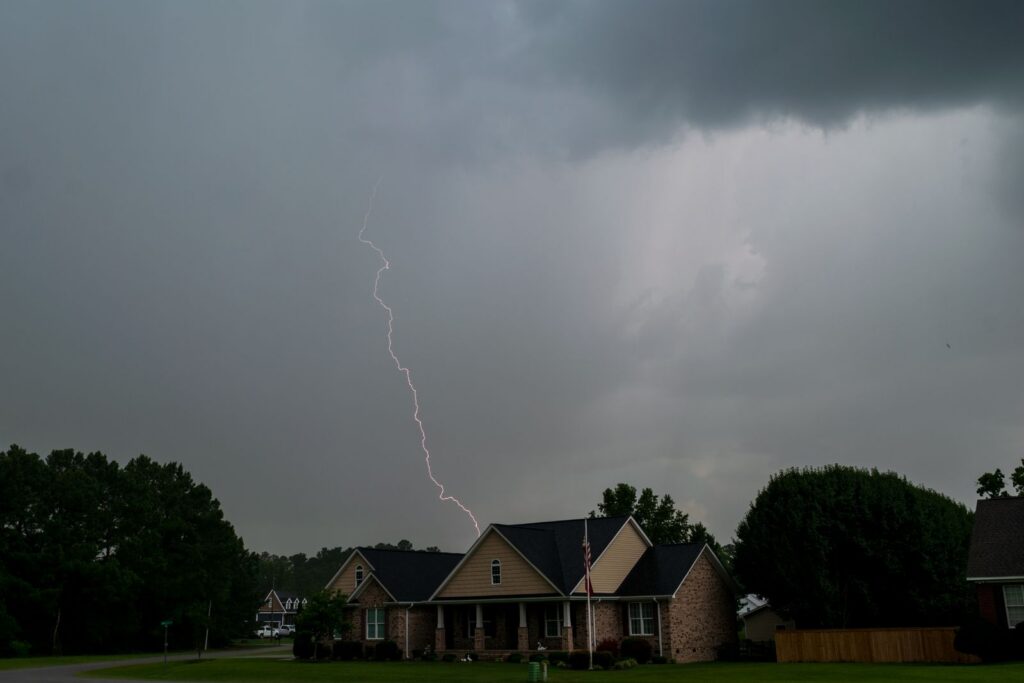
A summer outage is an inconvenience. A winter outage is a different problem. Within hours the house starts to cool, the gas furnace stops because it needs electricity to run, the sump pump stops during a thaw, and the risk of frozen pipes and a flooded basement rises with every hour the power stays off.
Most of what decides how badly a winter outage goes is done before it starts. This guide is a licensed electrician’s checklist for Toronto and GTA homeowners: what to check now, what to do when the lights go out, how to tell whether the problem is yours or the utility’s, and how to bring the house back safely when power returns.
The short version: label your panel and know where the main breaker is; test your smoke and carbon monoxide alarms; give your sump pump a backup; keep flashlights rather than candles; and when the power goes, switch off large loads and sensitive electronics, leave one light on, and never run a generator or barbecue indoors. If some circuits work and others do not, or lights are unusually bright or dim, call an electrician — that is not a normal outage.
Why winter outages are different
Three things make winter outages in the GTA more serious than their summer equivalents.
- Heat. A gas furnace still needs electricity for its blower, controls and igniter. Without power, it does not run. A well-insulated house cools slowly, but over a day or two indoor temperatures fall far enough to put pipes at risk, particularly in older houses with plumbing on exterior walls.
- Water. Winter thaws and rain on frozen ground push water towards basements, and the sump pump that keeps it out runs on electricity. Storms that cause outages are often the same storms that fill basements.
- Duration. Ice and wet snow bring down trees and lines across wide areas at once, and crews work through a long queue. The December 2013 ice storm left hundreds of thousands of Toronto Hydro customers without power, some for more than a week over Christmas.
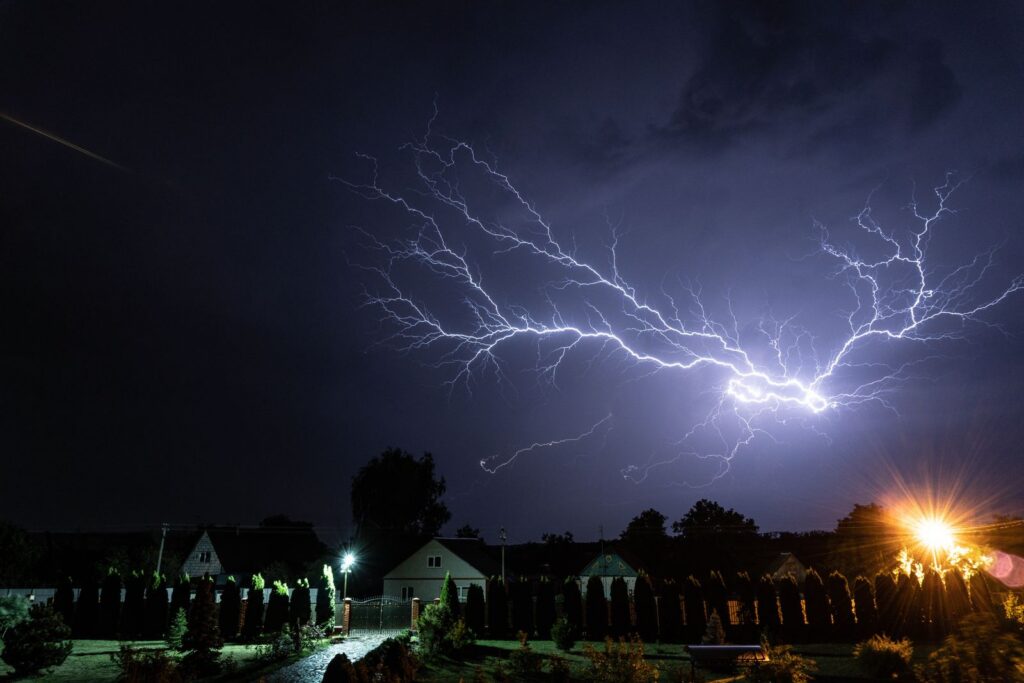
Not every outage is weather. In early 2026, road salt building up on electrical equipment caused a cluster of flashover outages in parts of Vaughan during freeze-thaw cycles. In August 2026 a failure upstream at Toronto Hydro’s Basin transformer station cut power to roughly 31,000 customers on a clear summer day. Outages come from the grid as much as the sky, so preparation is worth doing even if you rarely lose power.
Before the storm: an electrical checklist
None of these take long, and each one makes an outage easier to manage.
- Find and label your panel. Know where the main breaker is, and make sure the circuit directory matches reality. In an outage you may want to switch off specific circuits quickly, by flashlight. If your directory is blank or wrong, an electrician can map it in an hour or two.
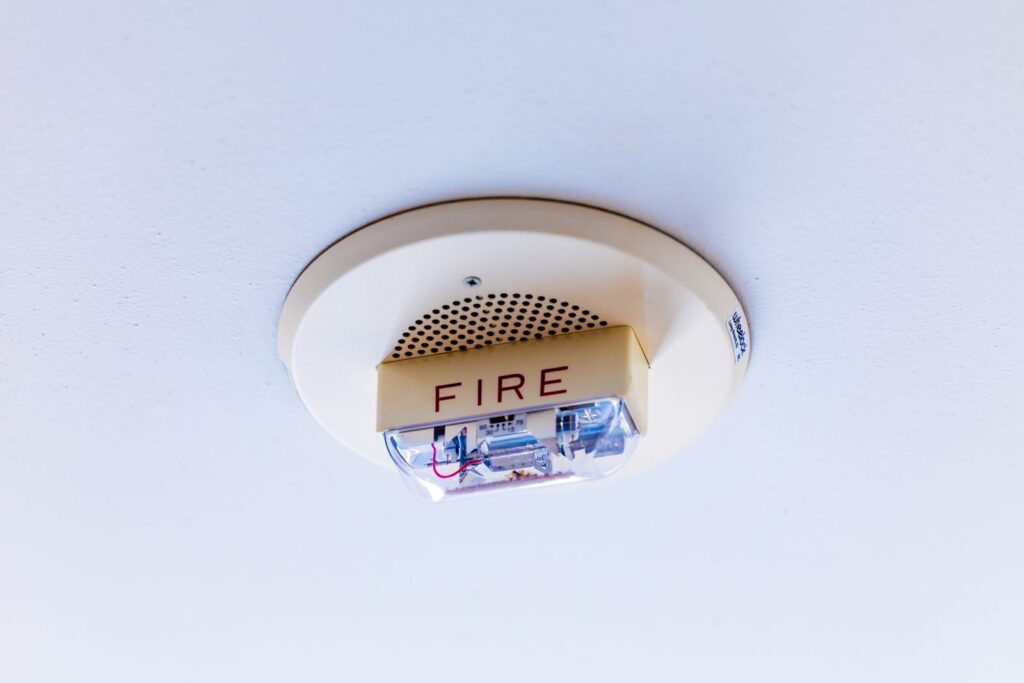
- Test your smoke and carbon monoxide alarms. Ontario requires smoke alarms on every storey and outside sleeping areas, and carbon monoxide alarms in homes with a fuel-burning appliance or an attached garage. Hard-wired alarms have battery backup — test it. Outages are when people reach for candles, fireplaces and generators, which is exactly when these alarms earn their keep.
- Give your sump pump a backup. A battery backup pump, or putting the sump pump on a generator circuit, is the single most valuable outage preparation for a house with a history of water.
- Stock flashlights and batteries, not candles. Candles cause house fires every winter, many of them during outages.
- Keep devices charged and have a battery pack for your phone. A charged phone is how you report the outage, check the utility’s outage map and call for help.
- Know how to report an outage to your utility — Toronto Hydro, Alectra in Mississauga and Vaughan, or Oakville Hydro — and bookmark its outage map.
- Know where your water shut-off is. Not electrical, but if pipes freeze and burst during a long outage, you will want to find it quickly.
When the power goes out: is it you or the grid?
The first thing to establish is whether the problem is yours or the utility’s, because it decides who to call.
If your neighbours are dark too, it is a grid outage. Report it to your utility and wait it out. There is nothing an electrician can do about a utility outage, and nothing you should do at your meter or service.
If only your house is out, check your main breaker first. A tripped main looks exactly like an outage from inside the house. If the main has tripped and will not reset, or resets and trips again, stop and call an electrician.
If you have partial power — some circuits working and others dead, or lights unusually dim or unusually bright — that can indicate a lost neutral or a damaged service conductor, often from a falling branch pulling on the service drop. It can damage appliances and it is a genuine emergency. Switch off the main if you can safely, and call. Our guide to telling an electrical emergency from a nuisance covers the other symptoms worth acting on.
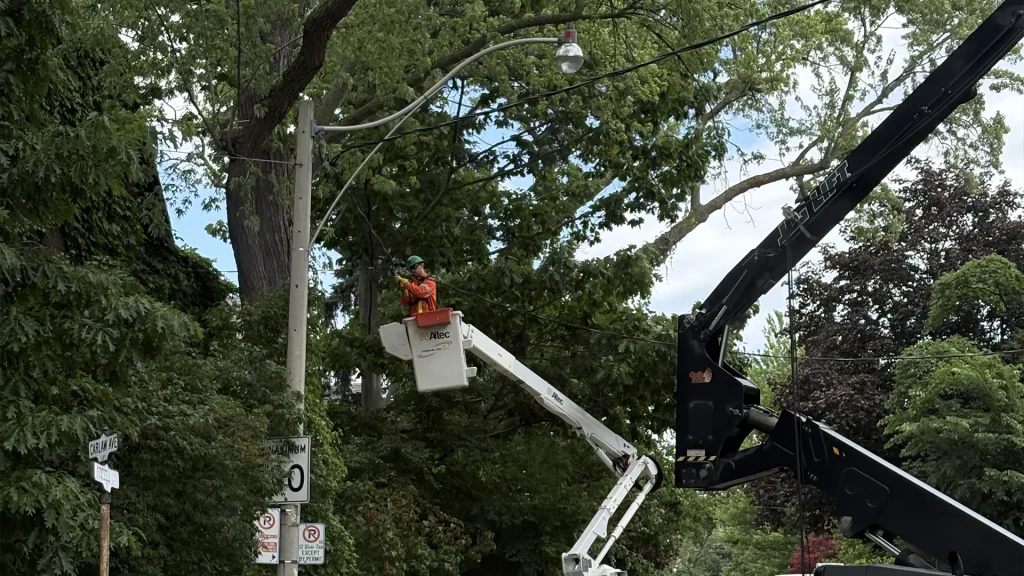
If a line is down on your property or street, stay well away from it and anything it is touching — fences, puddles, vehicles — and call the utility and 911. Assume every downed line is live.
During the outage: what to switch off, and what to leave
When power is restored, it can come back with a surge, and every motor and heating element in the house starting at once is a significant load. A few simple steps protect your equipment and help the restoration go smoothly.
- Switch off or unplug sensitive electronics — computers, televisions, audio equipment, chargers.
- Switch off large loads at the appliance or the panel: electric baseboard heaters, space heaters, the electric range, the dryer, an EV charger.
- Leave one light switched on so you know when the power returns.
- Keep the fridge and freezer closed. A full freezer generally keeps food frozen for about two days, a half-full one for about one, if it stays shut.
- Keep heat in. Close doors to unused rooms, draw curtains at night, and gather in one room.
- Never use a barbecue, camping stove or portable generator indoors or in an attached garage. Carbon monoxide from these causes deaths every winter.
- Never use an oven or gas range to heat the house.
If you have a portable generator, run it outside, well away from windows, doors and vents, and connect it only through a properly installed inlet and transfer switch or to appliances directly with heavy-duty outdoor cords. Plugging a generator into a household receptacle backfeeds the house and the utility lines, and it can kill a line worker. Our guide to standby generator installation costs explains the safe options.
When the power comes back
Bring the house back in stages rather than all at once.
- Wait a few minutes after the power returns, in case it flickers off again.
- Turn on the furnace and confirm it lights and runs normally.
- Turn on large loads one at a time, a few minutes apart.
- Plug sensitive electronics back in last.
- Check and reset any GFCI receptacles that tripped — in bathrooms, the kitchen, the garage and outdoors. A sump pump on a tripped GFCI is a common reason for a flooded basement the day after an outage.
- Reset clocks, timers and the furnace thermostat schedule.
Then look for problems. A breaker that will not stay on, a receptacle that is warm, a burning smell, flickering on one circuit, or an appliance that stopped working after the outage are all worth having checked. Surges at restoration can damage electronics and occasionally wiring devices. If something is not right, our electrical repair team traces it to the cause rather than guessing.
Heat without power: the safe options
Losing heat is the real risk in a long winter outage. The safe ways to keep warm are limited.
- A generator with the furnace on its circuit is the most effective option. A gas furnace draws modest power, so even an essential-circuit generator can keep the house heated.
- A wood-burning fireplace or woodstove in good repair, with a working carbon monoxide alarm nearby.
- Electric space heaters on a generator, plugged directly into a properly rated outlet or cord — never into a power bar — and kept well clear of anything combustible. Space heaters draw close to the full capacity of an ordinary circuit, so run one per circuit and nothing else heavy alongside it.
Things not to use for heat include ovens and gas ranges, barbecues, camping heaters designed for outdoor use, and any fuel-burning appliance in an enclosed space. If the house gets cold enough to threaten the pipes and the outage looks long, it is better to go somewhere warm and drain the plumbing than to improvise.
Longer-term: making the next outage a non-event
If outages have caused you real problems — a flooded basement, a cold house, lost work — it may be worth investing in backup power. There are three levels, and the right one depends on what an outage costs you.
- A portable generator with a proper inlet and transfer switch. The least expensive way to keep a sump pump, furnace, fridge and lights running. Someone has to be home to start it.
- An automatic standby generator on essential circuits. Starts on its own within seconds. Right for flood-prone basements, home offices and households with medical equipment.
- A whole-home standby generator. Makes an outage a few seconds of darkness. Sized with load management so it does not need to be enormous.
Our standby generator installation page explains how we approach these projects, and our local pages for York, East York and Mississauga cover what differs by neighbourhood. If you are not ready for a generator, a properly labelled panel, working alarms and a sump pump backup cover most of the risk for very little money.
A printable outage checklist
Now, before winter: label the panel and find the main breaker · test smoke and CO alarms · add a sump pump backup · stock flashlights and batteries · bookmark your utility’s outage map · find the water shut-off.
When the power goes: check the neighbours · check your main breaker · report the outage · switch off large loads and sensitive electronics · leave one light on · keep the fridge and freezer closed · nothing fuel-burning indoors.
Call an electrician if: you have partial power or unusually dim or bright lights · the main will not reset · you smell burning · a line or service drop is damaged at your house.
When it comes back: wait a few minutes · furnace first · large loads one at a time · electronics last · reset tripped GFCIs, especially the sump pump.
Frequently asked questions
Relying on a space heater this winter? Here is why space heaters trip breakers, and what to do about it.
Does a gas furnace work during a power outage?
No. A gas furnace needs electricity for its blower, controls and igniter, so it stops when the power does. Keeping the furnace circuit on a generator is the most effective way to keep a house heated during a long winter outage.
How do I know if a power outage is just my house?
Check whether your neighbours have power, then check your main breaker. If only your house is out and the main has tripped, try resetting it once. If it will not reset, or you have partial power with some circuits working and others dead, call an electrician.
What should I unplug during a power outage?
Unplug or switch off sensitive electronics and large loads such as space heaters, baseboard heaters and EV chargers, so they are not all hit at once when power returns. Leave one light on so you know when the power is back.
Is it safe to use a portable generator during an outage?
Yes, if it runs outdoors away from windows, doors and vents, and is connected through a proper inlet with a transfer switch or interlock, or directly to appliances with outdoor-rated cords. Never run one indoors or in an attached garage, and never plug it into a wall outlet.
Why did my basement flood after the power came back?
Usually because the sump pump stopped during the outage, or because its GFCI tripped when power was restored and did not reset. After any outage, check that the sump pump is running and reset any tripped GFCI receptacles.
How long will food last in the freezer without power?
A full freezer generally keeps food frozen for about two days, and a half-full one for about one day, if the door stays closed. A fridge keeps food cold for only a few hours, so plan to eat perishable food first.
Alarm requirements from the Ontario Fire Code. Outage figures from Toronto Hydro reporting on the December 2013 ice storm and the August 2026 Basin transformer station failure, and Alectra reporting on early-2026 salt-related outages. Food storage guidance is general public-health guidance; follow your utility’s and public health authority’s instructions during a declared emergency.