The short version: Ontario’s Home Renovation Savings Program will pay up to $7,500 toward a cold-climate air-source heat pump and up to $12,000 for a ground-source system — and nothing at all toward the electrical panel or service upgrade some homes need to run one. The only way to know which situation you’re in is a load calculation, and it should happen before you sign the HVAC contract.
Heat pumps have gone mainstream in Ontario, and for good reason. But there’s a gap in how they get sold, and homeowners keep falling into it: the HVAC quote covers the equipment and the installation, the rebate covers a chunk of that, and nobody looks at whether the house can actually power the thing until the electrician shows up.
What the rebate actually covers
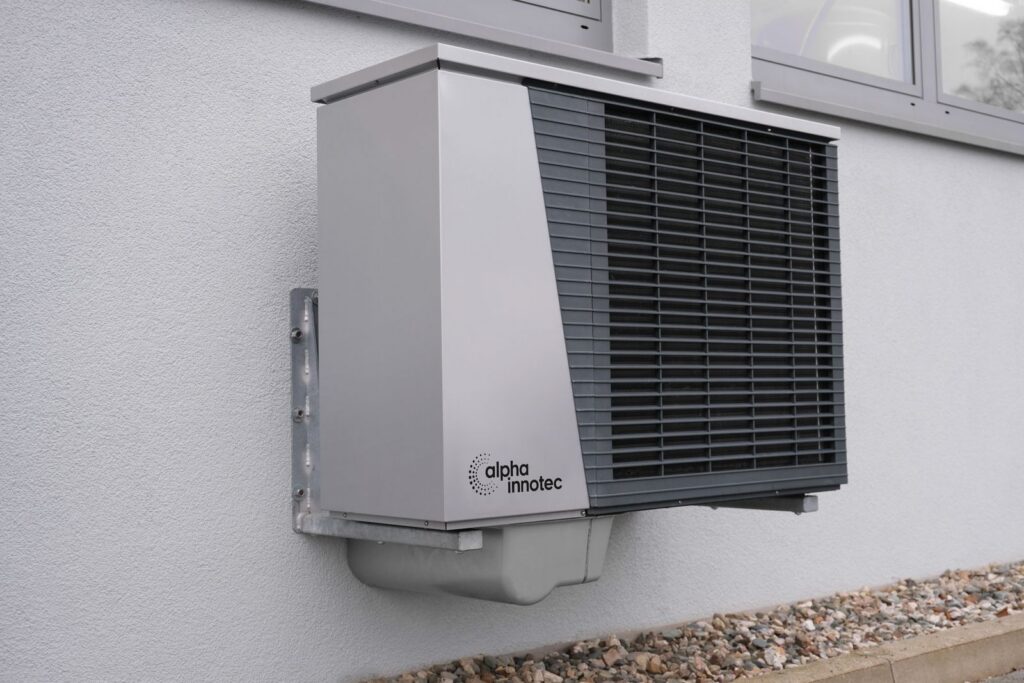
The Home Renovation Savings Program, run through Save on Energy with Enbridge Gas, is genuinely generous. Cold-climate air-source heat pumps qualify for up to $7,500, ground-source systems for up to $12,000, and the program also covers insulation, windows and doors, heat pump water heaters, smart thermostats, and solar with battery storage.
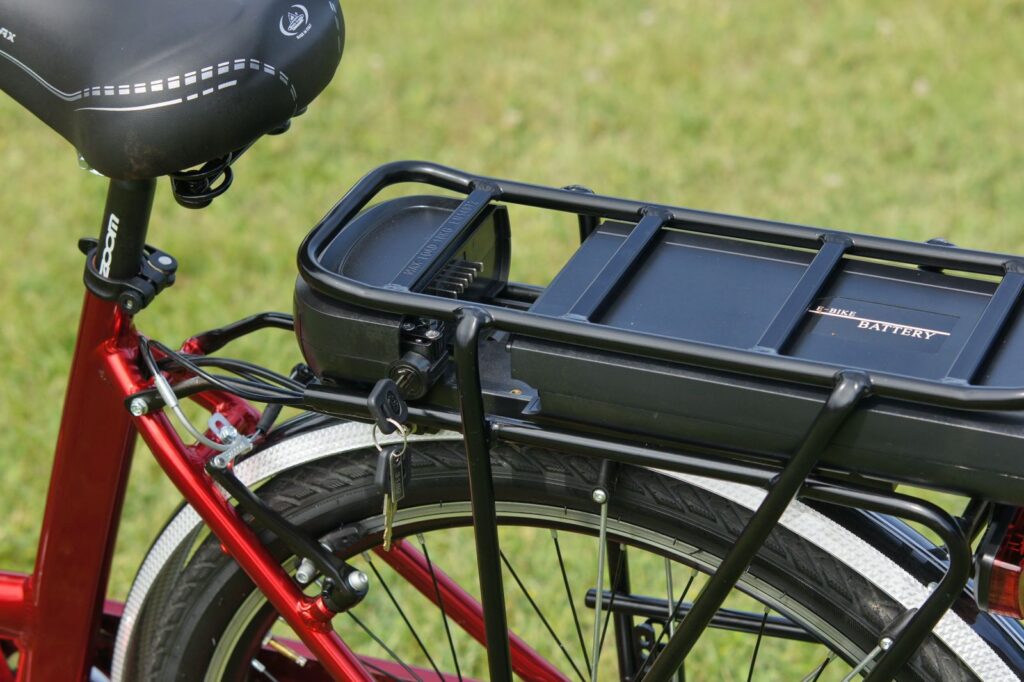
What it does not cover, and this catches people out: electrical panel upgrades, service upgrades, and EV chargers. There is no line item for any of them. So if your home needs a 200-amp service to run the heat pump you were just quoted, that’s an unrebated cost landing on top of a project you’d already budgeted.
There’s a second piece of fine print worth knowing while we’re here: taking the program’s solar and battery rebate makes you ineligible for net metering, because the rebated system has to be load-displacement only. Different topic, same lesson — read what the program actually says before you plan around it.
Why the number on your main breaker doesn’t answer the question
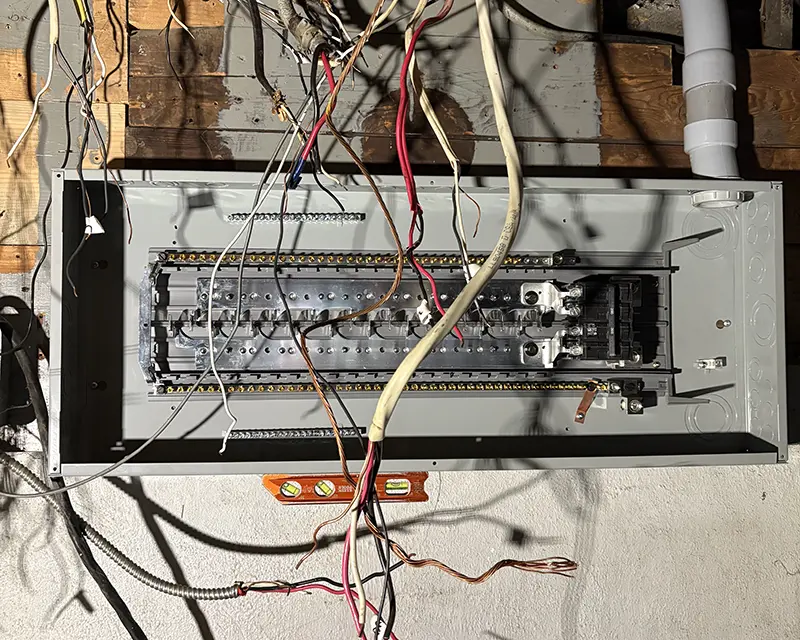
The most common thing we hear is “I’ve got 100 amps, is that enough?” It’s the wrong question, because 100 amps isn’t a budget you spend — it’s a rating against which your home’s calculated load is measured.
That calculation accounts for the size of your home, your existing heating, your range and dryer, air conditioning, hot tubs and pools, EV charging, and the new heat pump with any electric backup heat. Two identical-looking houses on the same street can land on opposite sides of the line because one has a gas range and the other doesn’t.
A cold-climate heat pump generally needs its own 240-volt circuit. The bigger variable is supplementary electric heat — the resistance elements that carry the house on the coldest days. Those can add substantially to the calculated load, and they’re the reason a heat pump project sometimes triggers a service upgrade when a straight air conditioner wouldn’t have.
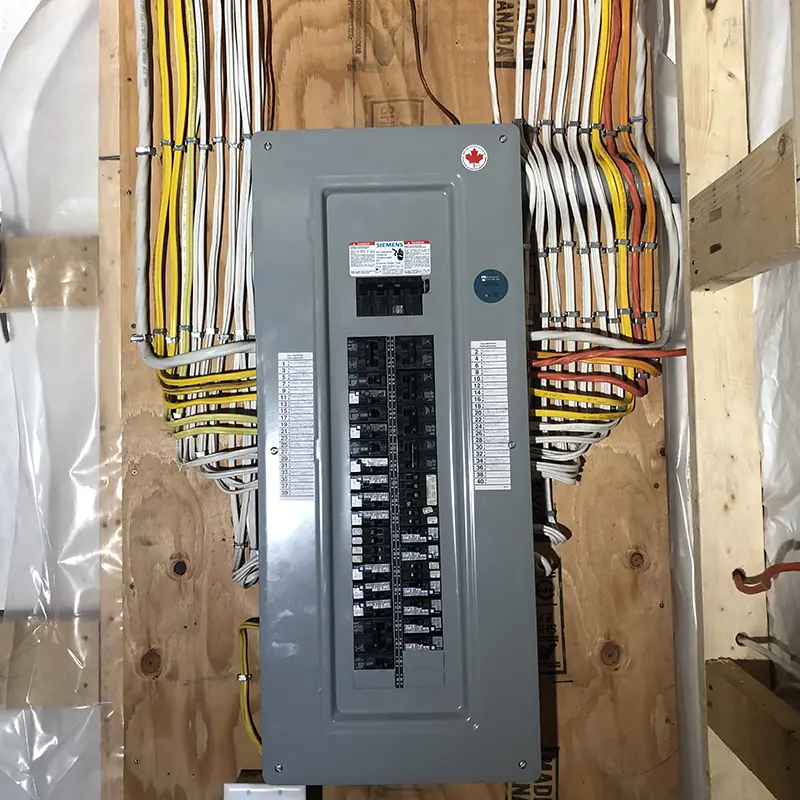
The three outcomes
Once the calculation is done, you’re in one of three situations.
You have room. Common in homes already on 200-amp service, and in plenty of well-configured 100-amp homes too. The electrical work is then simply a new dedicated circuit, filed and inspected. Straightforward and relatively inexpensive.
Your panel is full but your service is fine. This is a different and much cheaper problem than it sounds. Sometimes it’s solved by a panel change or a subpanel; sometimes by energy management equipment. Ontario’s electrical code recognizes energy management systems that monitor and control loads, and they can allow a heat pump and an EV charger to coexist on a service that couldn’t run both at full power simultaneously. Where it applies, it’s usually far cheaper than upgrading the service.
Your service is genuinely undersized. Then a service upgrade is the honest answer, and it’s better to know that before you’ve committed to an installation date. The upside is that a 200-amp service also solves your EV charging, your future induction range, and whatever else electrification brings — so it’s rarely money spent on one appliance.
Older Toronto and GTA homes: the extra wrinkle
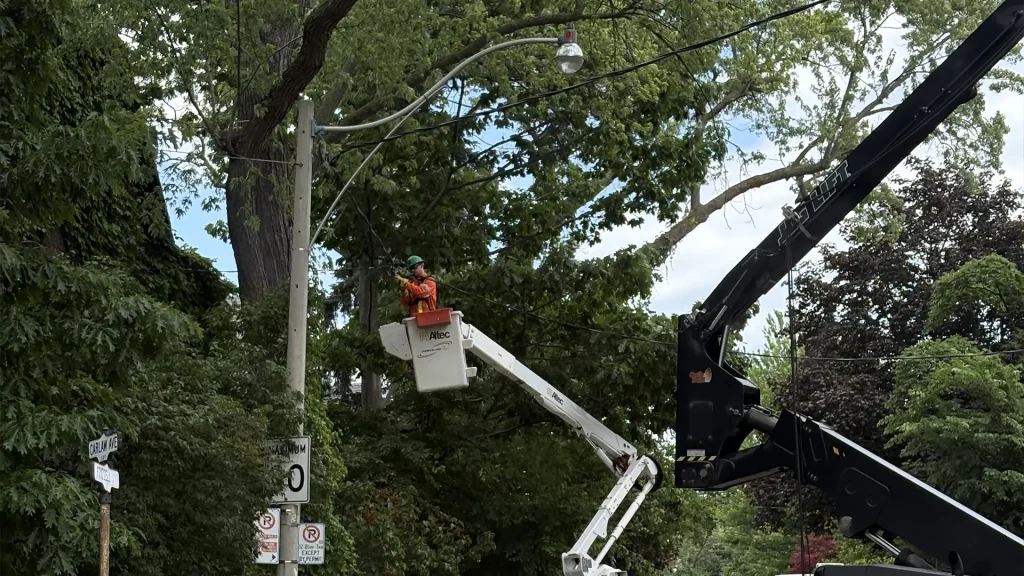
In the older parts of the city we serve — East York, York, the older lakeshore communities in Mississauga — a heat pump project frequently turns up other things at the same time. A 60-amp service. A fuse panel. Knob-and-tube on some circuits. Aluminum branch wiring in the 1960s and 70s stock across Etobicoke and inland Mississauga.
None of that makes a heat pump impossible. It does mean the electrical scope is bigger than “add a circuit,” and it’s much better discovered during quoting than during installation. It’s also often the moment when doing the wider upgrade makes sense, because the panel is open and the electrician is already there.
The sequence that avoids surprises
- Get the HVAC assessment and find out what system your home actually needs, including how much backup heat.
- Get an electrical load calculation before you sign. This is the step that gets skipped. It’s quick, and it’s the difference between a known cost and a mid-project surprise.
- Price the electrical options together — new circuit only, panel change, energy management, or full service upgrade. They vary enormously and the cheapest adequate option is often not the one you’d guess.
- Book the electrical before the mechanical. The heat pump can’t be commissioned until there’s a circuit to plug it into, and coordinating this after the fact is how installation dates slip.
What it costs, in the only terms that are honest
We won’t quote a number without seeing your panel, because the range is genuinely enormous — a dedicated circuit in an accessible basement and a full 200-amp service upgrade with a mast replacement are different projects by an order of magnitude. What drives it: the distance and route from panel to equipment, whether your existing panel has capacity and space, the condition of the service entrance, whether the utility connection needs upgrading, and any code corrections uncovered once the panel is open.
What we will commit to is telling you the number before the work starts, and telling you honestly when load management would be cheaper than an upgrade.
If you’re an HVAC contractor reading this
We’re happy to be the electrical half of your heat pump jobs. A load calculation before the sale protects your customer from a surprise and protects you from a stalled installation. Get in touch and we’ll set up a straightforward referral process.
And if you’re a homeowner with a heat pump quote in hand and no idea whether your panel can carry it — send us the details. Finding out is quick, and it’s much better news before the deposit than after.
Frequently asked questions
Does Ontario’s heat pump rebate cover a panel upgrade?
No. The Home Renovation Savings Program covers heat pumps, insulation, windows, solar and battery storage — but there is no rebate line item for electrical panel or service upgrades, and none for EV chargers either. If your home needs more electrical capacity to run a heat pump, that cost is yours.
What electrical service size do I need for a heat pump?
There’s no single answer, which is exactly why a load calculation matters. A cold-climate heat pump typically needs its own 240-volt circuit, and any electric backup heat can add substantially more. Plenty of homes run a heat pump on 100-amp service; plenty of others can’t. The determining factor is your home’s total calculated load, not the number printed on your main breaker.
Can I add a heat pump and an EV charger on the same service?
Sometimes. Both are significant continuous loads, and together they’re often what pushes a 100-amp service past its limit. Where capacity is tight, energy management equipment recognized by Ontario’s electrical code can allow both without a full service upgrade by preventing them from running at full power simultaneously. It’s usually cheaper than upgrading, and worth pricing before you assume you need more amps.
Who does the load calculation — the HVAC company or the electrician?
The HVAC contractor sizes the heat pump for your home’s heating and cooling needs. The electrical load calculation — whether your service can carry the resulting load alongside everything else — is an electrician’s job, and it’s the step most commonly skipped. Ideally both happen before you sign anything.
Does heat pump wiring need an ESA permit?
Yes. Adding the dedicated circuit and any electrical backup heat is work that must be filed with the Electrical Safety Authority and inspected. As a licensed contractor we file the notification and arrange the inspection, and you receive the certificate for your records.